
ExperienceSiem Reap's Magic
Gateway to the legendary Angkor temples, Siem Reap offers ancient wonders, floating villages, vibrant markets, and authentic Khmer culture in Cambodia's cultural heart.
Discover Amazing Places
Explore Cambodia's most beautiful destinations, from ancient temples to pristine beaches and lush natural wonders.
Filter Places
Showing 43 of 43 places in Siem Reap
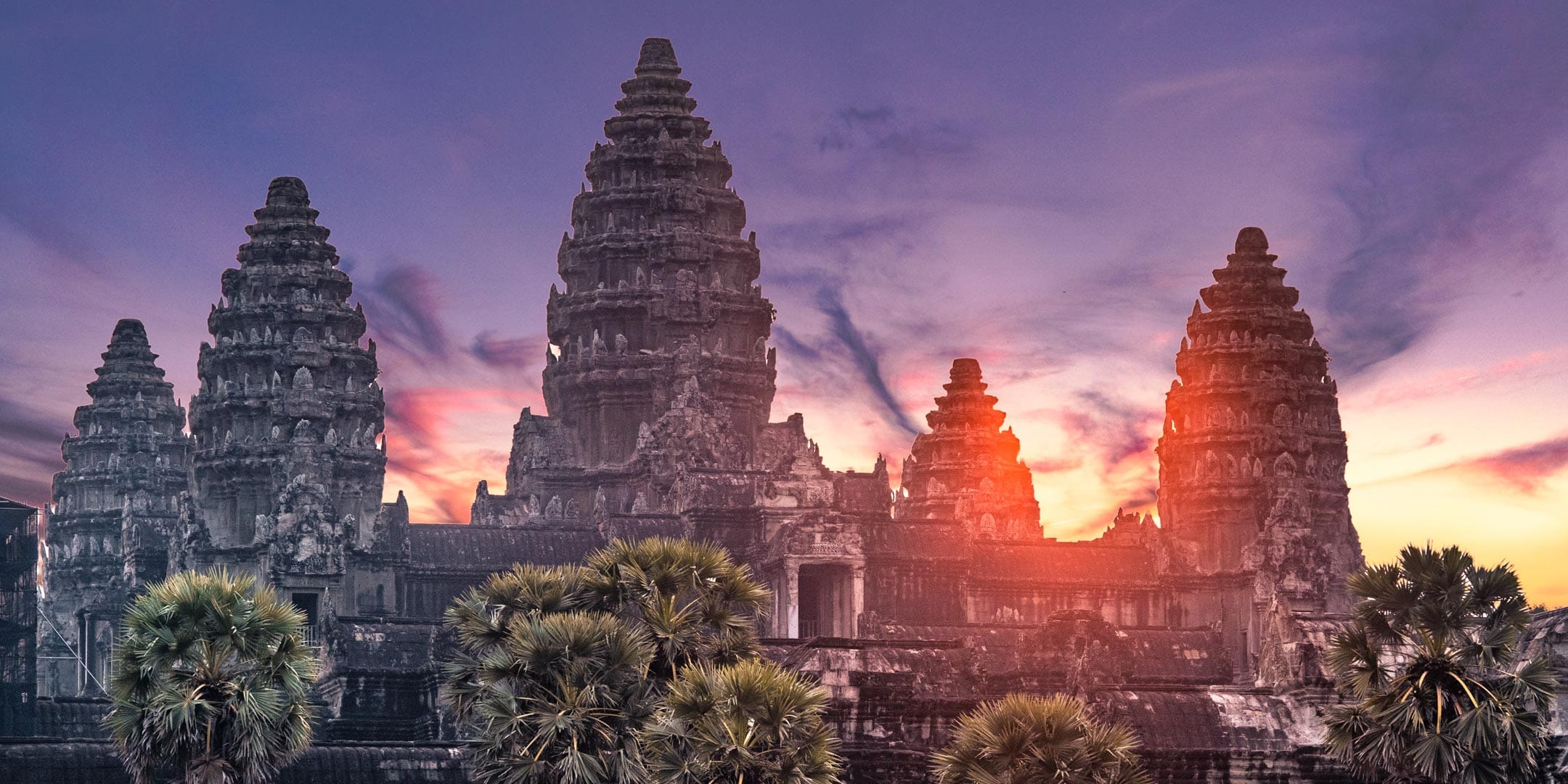
Angkor Wat
The largest religious monument in the world, this 12th-century temple complex is Cambodia's crown jewel and a UNESCO World Heritage Site. Built during the reign of King Suryavarman VII, it represents the pinnacle of Khmer architecture and artistry.
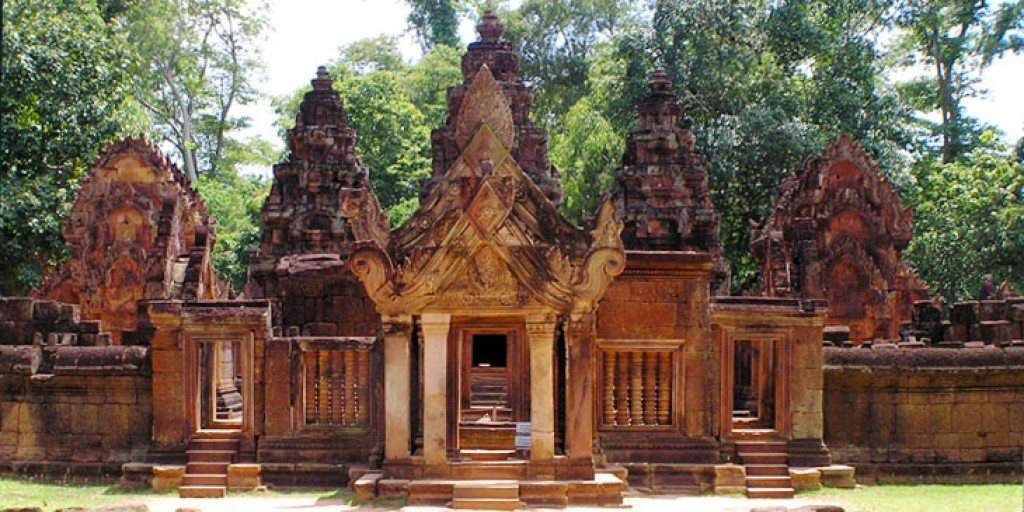
Banteay Srei
Known as the "Citadel of Women," this 10th-century temple is renowned for its intricate pink sandstone carvings and exceptional preservation. The detailed artistry represents the finest examples of classical Khmer art.
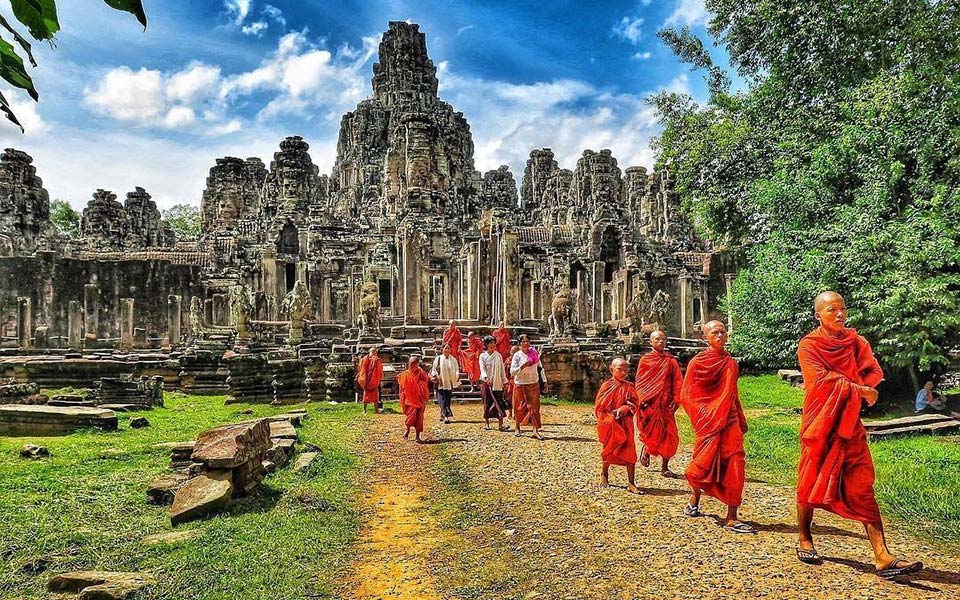
Bayon Temple
Located in the heart of Angkor Thom, Bayon Temple is famous for its serene and massive stone faces carved onto its many towers. This 12th-century Mahayana Buddhist temple was built by King Jayavarman VII and is a masterpiece of Khmer architecture.
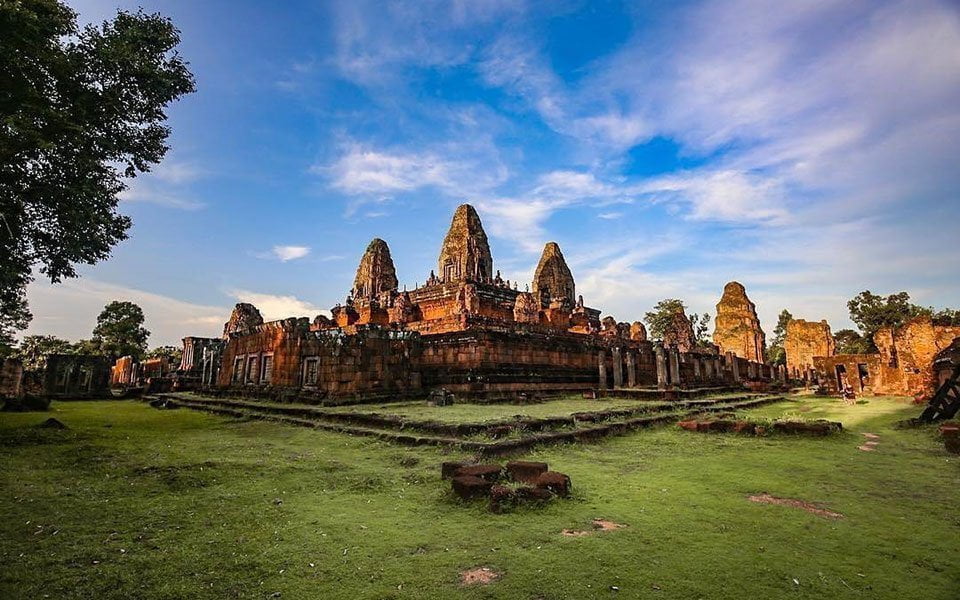
Pre Rup Temple
Pre Rup is a Hindu temple at Angkor, Cambodia, built as the state temple of Khmer king Rajendravarman and dedicated in 961 or early 962. It is a temple mountain of combined brick, laterite and sandstone construction. The temple’s name is a comparatively modern one meaning "turn the body". This reflects the common belief among Cambodians that funerals were conducted at the temple, with the ashes of the body being ritually rotated in different directions as the service progressed. It offers excellent sunset views from its upper tiers.
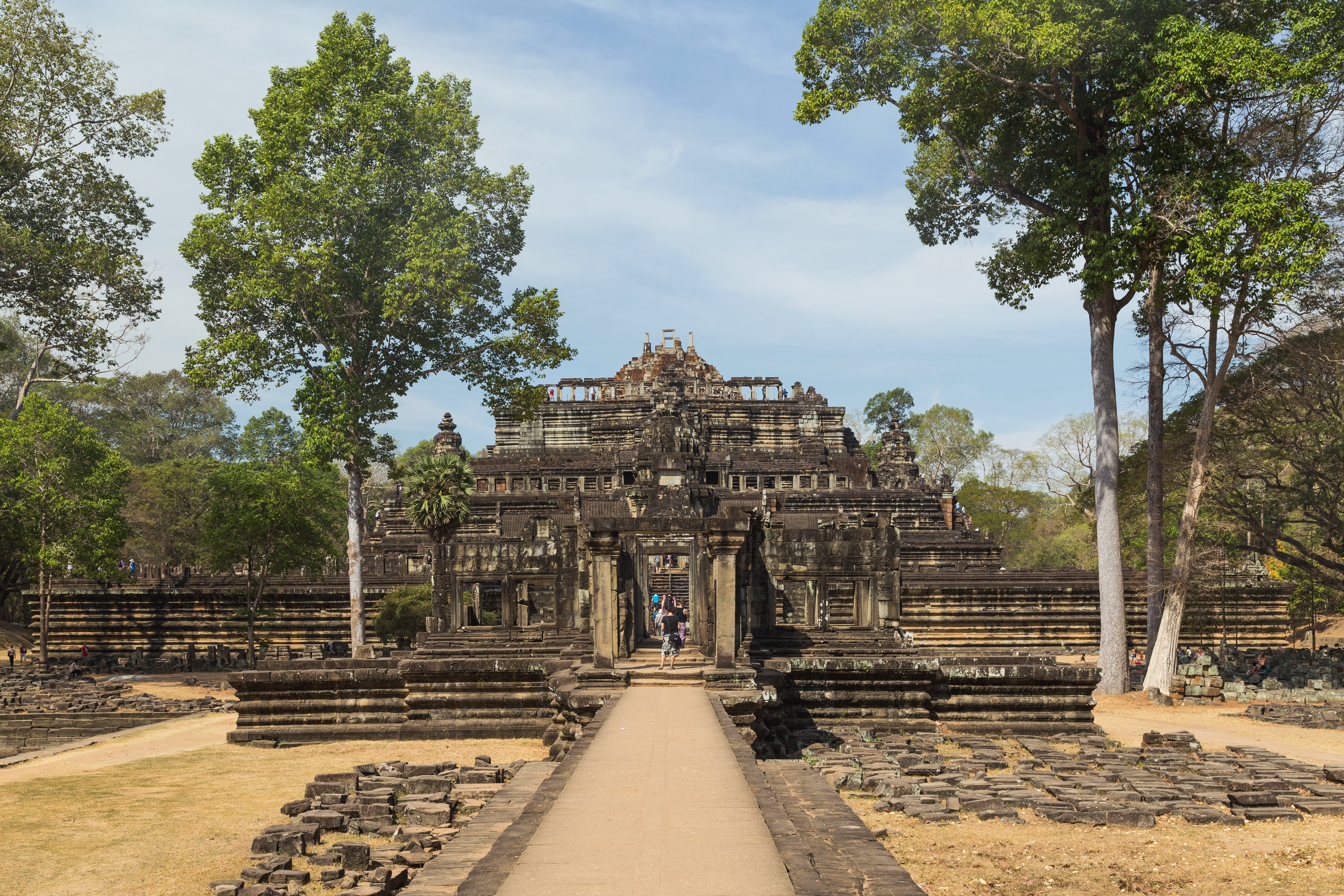
Baphuon Temple
A massive 11th-century temple mountain located in Angkor Thom, northwest of the Bayon. Originally dedicated to Shiva, it features a long causeway leading to its impressive, tiered structure. A giant reclining Buddha was later added to its western face in the 15th century. The temple offers panoramic views and is known for the extensive restoration work undertaken to reassemble it.
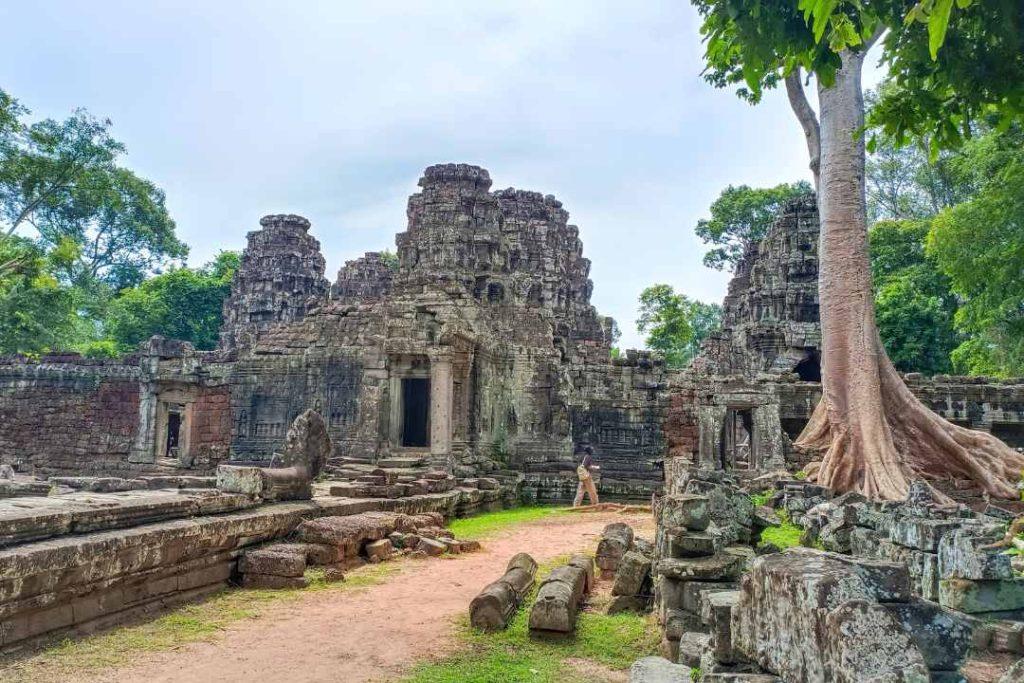
Banteay Kdei Temple
Known as the 'Citadel of Monks' Cells', Banteay Kdei is a serene Buddhist monastic complex built in the mid-12th to early 13th centuries under Jayavarman VII. In the Bayon style, it shares similarities with Ta Prohm and Preah Khan but offers a quieter, less crowded experience. It features intricate carvings and a tranquil atmosphere.
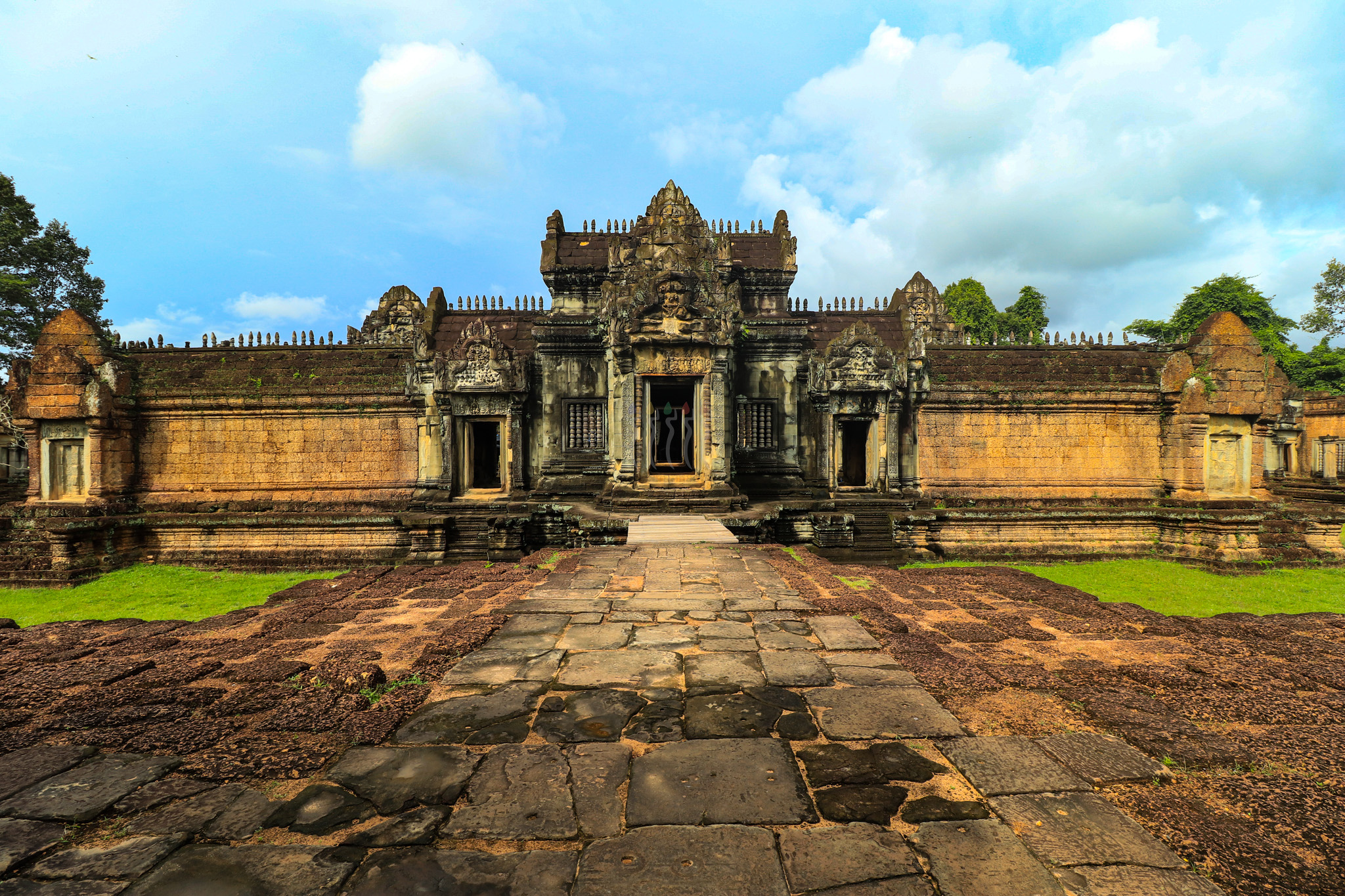
Banteay Samre Temple
Banteay Samré is a temple at Angkor, Cambodia, located east of the East Baray. Built under Suryavarman II and Yasovarman II in the early 12th century, it is a Hindu temple in the Angkor Wat style. Named after the Samré, an ancient people of Indochina, the temple uses similar materials to Banteay Srei and is known for its well-preserved carvings and less crowded atmosphere.

Phnom Krom Temple
Phnom Krom is a 10th-century Angkorian temple built on a hilltop southwest of Siem Reap, during the reign of King Yasovarman I. Dedicated to the Hindu trinity of Shiva, Vishnu, and Brahma, it offers stunning panoramic views of the Tonle Sap Lake and the surrounding countryside, especially popular for sunset.

Ta Prohm Temple
Famously known as the "Tomb Raider" temple, Ta Prohm is renowned for the giant silk-cotton and strangler fig trees growing out of its ruins, creating a mystical and atmospheric experience. Built in the late 12th and early 13th centuries by King Jayavarman VII, it was originally a Mahayana Buddhist monastery and university.

Preah Khan Temple
A large, monastic complex built in the 12th century by King Jayavarman VII to honor his father. Preah Khan features a labyrinth of corridors, intricate carvings, and a unique two-story pavilion. It was a center for administration, education, and worship, with nearly 100,000 officials and servants. The temple has been largely left unrestored, with trees growing amongst the ruins, similar to Ta Prohm.
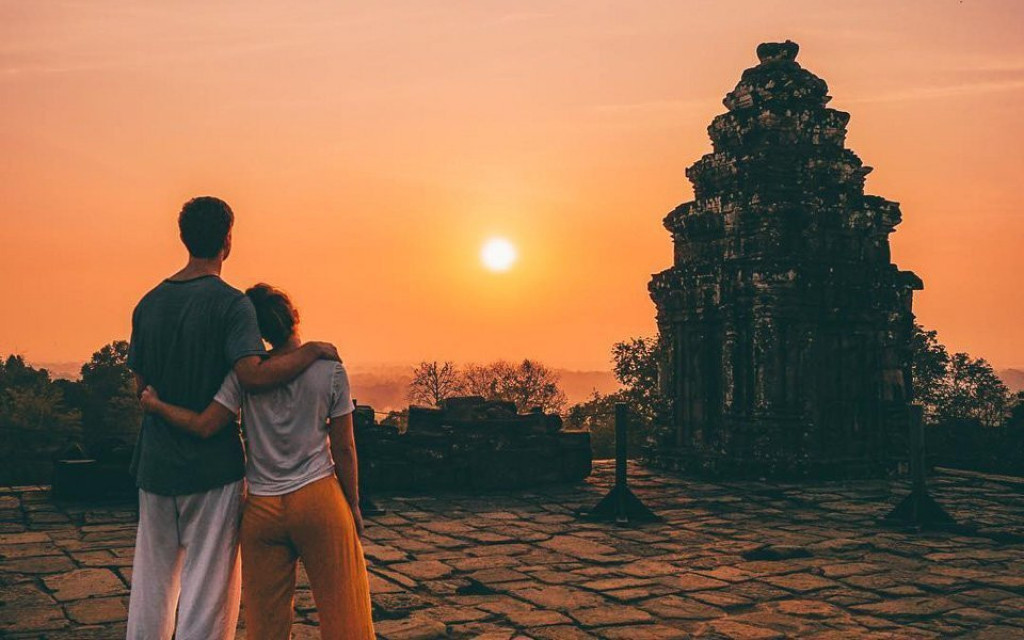
Phnom Bakheng
One of the oldest temples in the Angkor region, Phnom Bakheng is a Hindu temple mountain built in the late 9th century by King Yasovarman I. Perched on a hilltop, it was the state temple of the first Khmer capital at Angkor, Yasodharapura. It is famously popular as a sunset viewing spot, offering panoramic views of the surrounding jungle and a distant Angkor Wat.

Neak Pean
Neak Pean ("The Entwined Serpents") is a unique island temple built in the late 12th century by King Jayavarman VII. Located in the center of a large baray (Preah Khan Baray), it was originally designed for medicinal purposes, representing the mythical Himalayan lake of Anavatapta, whose waters were believed to cure all illnesses. The central sanctuary is surrounded by four smaller pools, creating a distinctive and symbolic layout.

Ta Som
A small but enchanting temple built in the late 12th century by King Jayavarman VII. Ta Som is known for its serene atmosphere and the iconic, photogenic strangler fig tree that has completely engulfed the eastern gopura (gateway), creating a stunning fusion of nature and architecture.

East Mebon
A 10th-century temple built by King Rajendravarman, located on what was once an artificial island in the now-dry East Baray reservoir. It is known for its five towers arranged in a quincunx pattern and its impressive, life-sized elephant sculptures at the corners of its tiers.

Srah Srang
Known as the "Royal Bath," Srah Srang is a large baray (reservoir) with an elegant, multi-tiered landing stage on its western side. Originally created in the 10th century and later remodeled by Jayavarman VII, it is a popular and serene spot to watch the sunrise over the water, offering a peaceful alternative to the crowds at Angkor Wat.

Prasat Kravan
A small but remarkable 10th-century temple consisting of five reddish brick towers on a common terrace. Prasat Kravan is unique for its large and detailed bas-reliefs of Vishnu and Lakshmi carved into the interior brick walls, a rare feature in Khmer architecture. It was dedicated to Vishnu and built by high court officials rather than a king.

Thommanon
A small and elegant temple from the late 11th and early 12th centuries, located just east of the Victory Gate of Angkor Thom. Thommanon is a single-towered temple noted for its well-preserved and exquisite carvings of devatas (female deities), which are considered some of the finest in Angkor. It is a sister temple to the nearby Chau Say Tevoda.
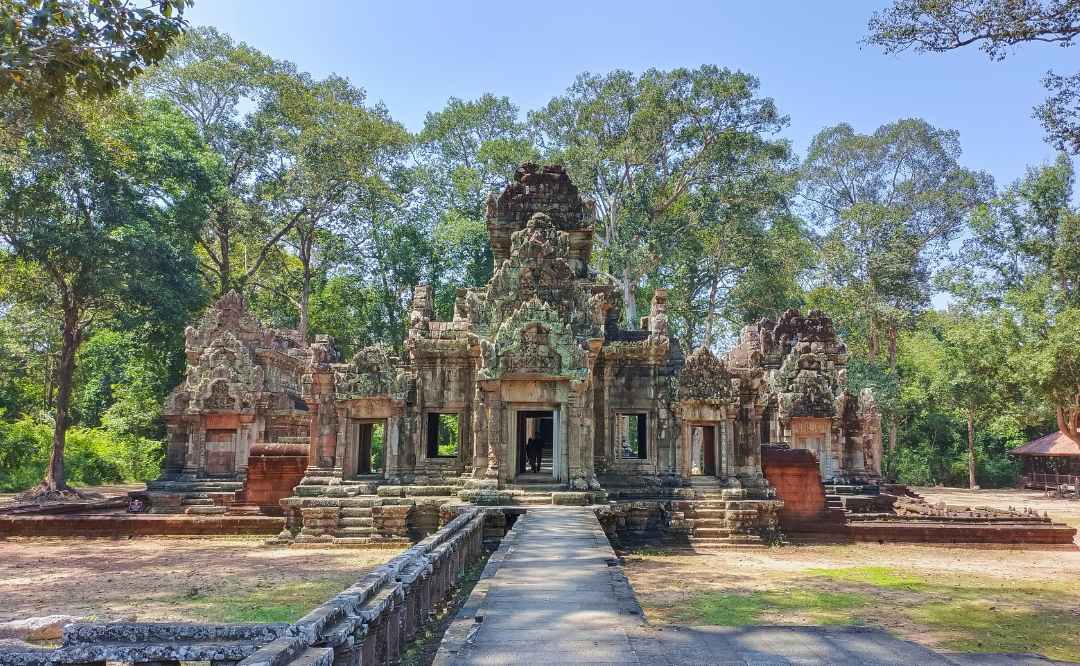
Chau Say Tevoda
A 12th-century Hindu temple built during the reign of King Suryavarman II. It is a sister temple to the nearby Thommanon and is noted for its fine carvings of female deities (devatas) and scenes from Hindu epics like the Ramayana. The temple underwent extensive restoration, which has brought back much of its former glory.
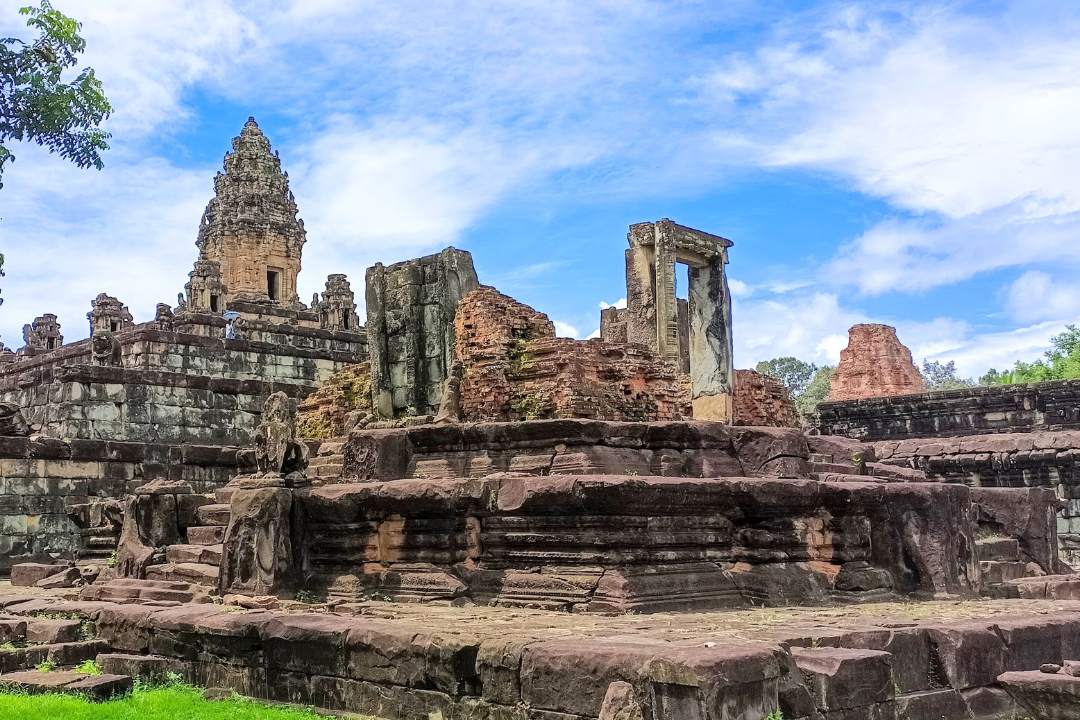
Bakong Temple
The first major temple mountain of sandstone constructed by rulers of the Khmer empire at Angkor. Built in the late 9th century by King Indravarman I, it served as the official state temple of the city of Hariharalaya. Bakong is the most impressive member of the Roluos Group of temples and features a pyramid-like structure with multiple tiers.
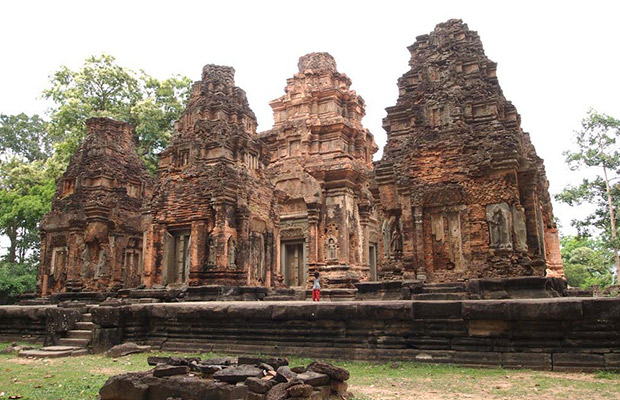
Lolei Temple
The northernmost temple of the Roluos Group, Lolei was built on an island in the center of the now-dry Indratataka baray in the late 9th century by Yasovarman I. It consists of four brick towers dedicated to Shiva and the king's ancestors. The temple is known for its well-preserved sandstone carvings and inscriptions.

Preah Ko Temple
Meaning "The Sacred Bull," Preah Ko is one of the oldest temples in the Roluos Group, built by King Indravarman I in the late 9th century. It consists of six brick towers arranged in two rows, dedicated to the king's ancestors. The temple is renowned for its beautifully preserved stucco carvings of male and female divinities.

Beng Mealea
A sprawling jungle temple from the 12th century, Beng Mealea (meaning "lotus pond") is largely unrestored and offers a true adventure experience. Its collapsed galleries and towers, overgrown by vegetation, evoke a sense of discovery similar to how early explorers first encountered Angkor. Wooden walkways have been installed over the rubble to allow for safe exploration.

Kbal Spean
Known as the "River of a Thousand Lingas," Kbal Spean is an archaeological site featuring intricate Hindu mythological carvings in the sandstone riverbed. The site requires a moderate 1.5km uphill jungle hike to reach, passing a beautiful waterfall. The carvings, which date back to the 11th century, were meant to sanctify the water that flowed over them down to the Angkorian plains.

Angkor National Museum
A state-of-the-art museum dedicated to preserving and presenting the rich history and art of the Khmer civilization. The museum features eight galleries with impressive collections of artifacts from the Angkorian period, providing valuable context before or after visiting the temples themselves.

War Museum Cambodia
The War Museum Cambodia in Siem Reap offers a unique and sobering insight into the turmoil of Cambodia's civil war. It features a vast collection of military hardware, including tanks, artillery, and aircraft, as well as a wide array of small arms and landmines. Many of the guides are war veterans who share personal stories, providing a poignant and educational experience.
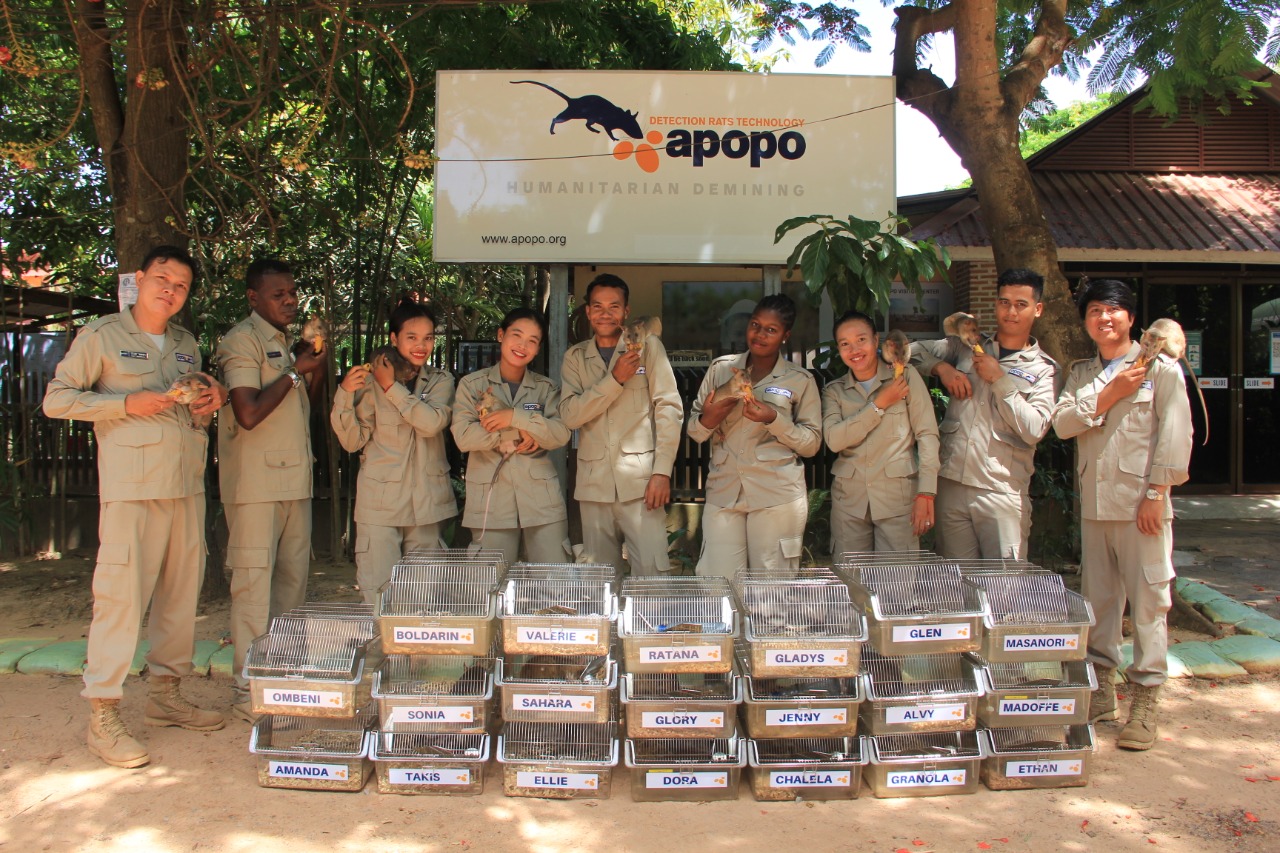
APOPO Visitor Center
The APOPO Visitor Center showcases the innovative HeroRAT program, where trained African giant pouched rats detect landmines and tuberculosis. Cambodia, heavily affected by landmines from decades of conflict, benefits greatly from these "HeroRATs" that can search an area the size of a tennis court in 30 minutes - a task that would take a human with a metal detector up to 4 days.
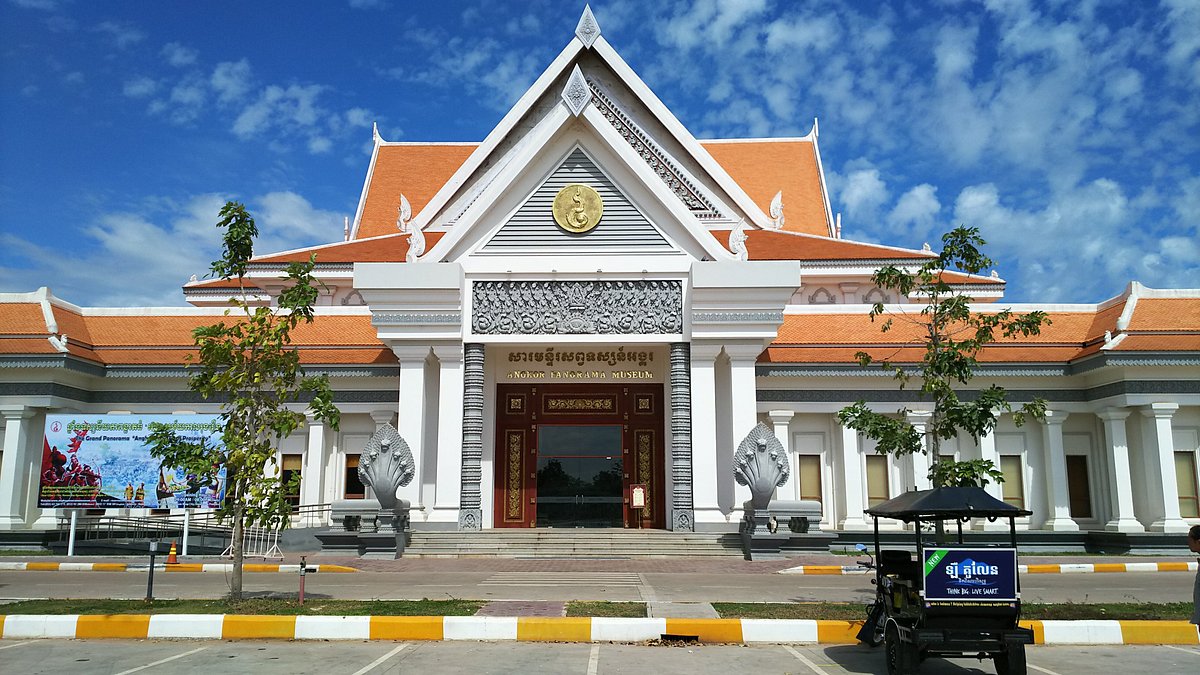
Angkor Panorama Museum
The Angkor Panorama Museum is a modern museum in Siem Reap dedicated to the history and grandeur of the Angkor civilization. Its highlight is a massive 360-degree panoramic painting depicting scenes from the Angkor era, including daily life, battles, and temple construction. The museum also features 3D models, multimedia exhibits, and a rooftop viewing area.
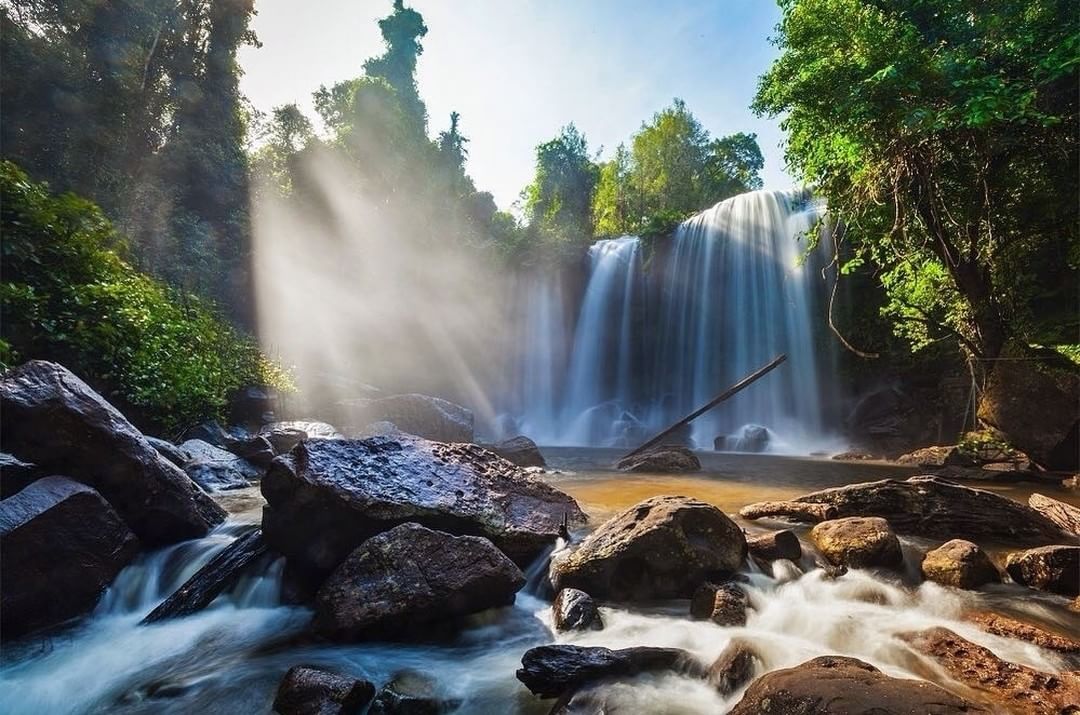
Phnom Kulen National Park
Phnom Kulen National Park is a sacred mountain plateau and protected area northeast of Siem Reap. It is revered as the birthplace of the ancient Khmer Empire and is famous for its lush jungle, waterfalls, ancient temples, and the River of a Thousand Lingas. The park is a popular pilgrimage site and offers a refreshing escape from the heat, with opportunities for hiking, swimming, and exploring historical sites.

Chong Khneas
Chong Khneas is a floating village at the edge of Tonle Sap Lake, famous for its stilted houses, floating schools, and vibrant local life on the water. It serves as the main gateway for boat trips onto the lake and offers a unique glimpse into the lifestyle of communities who depend on the lake for their livelihood.

Kampong Phluk
Kampong Phluk is a traditional stilted village on the floodplains of Tonle Sap Lake, renowned for its unique wooden houses built high above the water. The village is surrounded by a flooded mangrove forest, which can be explored by boat, offering a glimpse into the daily life of fishing communities and the rich biodiversity of the area.

Kampong Khleang
Kampong Khleang is the largest stilted village on the Tonle Sap Lake floodplain, located about 55km from Siem Reap. Unlike the more touristy floating villages, Kampong Khleang offers an authentic glimpse into the daily life of Cambodian fishing communities. The village features impressive stilted wooden houses, floating homes during the wet season, and is surrounded by flooded forests and rice paddies. Visitors can explore the village by boat, interact with locals, and witness the seasonal transformation of the landscape.
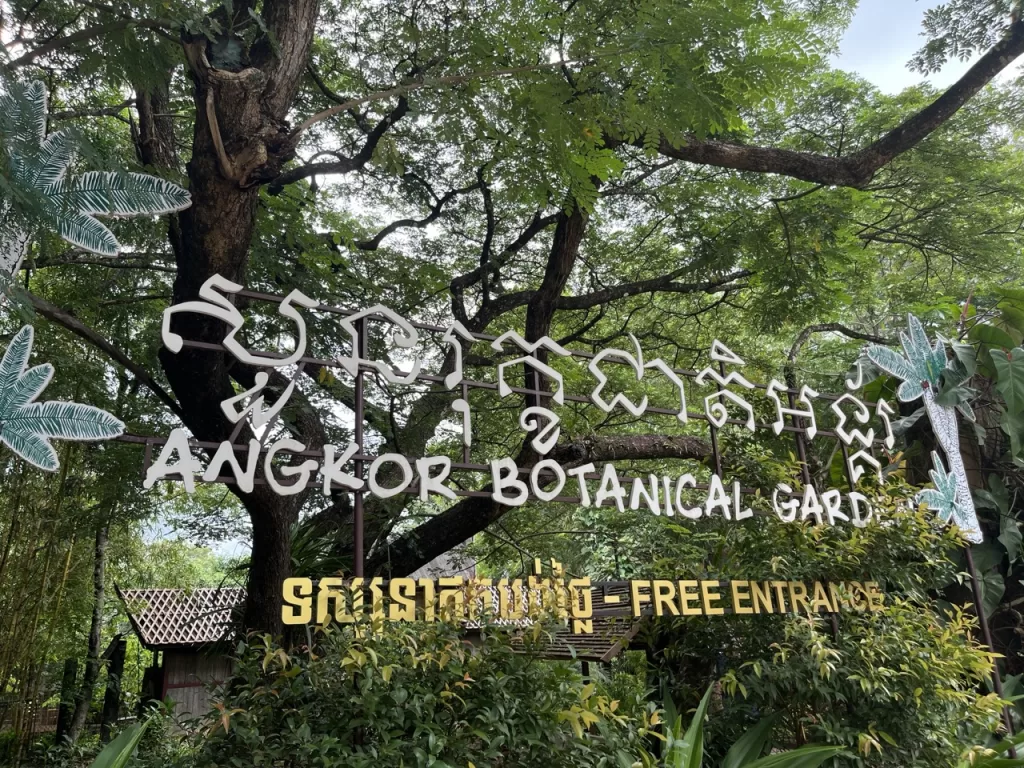
Angkor Botanical Garden
Angkor Botanical Garden is a lush, landscaped garden in Siem Reap, dedicated to the conservation and display of Cambodia’s native flora. The garden features themed zones, rare plant collections, orchid houses, butterfly gardens, and tranquil walking paths. It offers educational exhibits on biodiversity and is a peaceful retreat for nature lovers, families, and photographers.
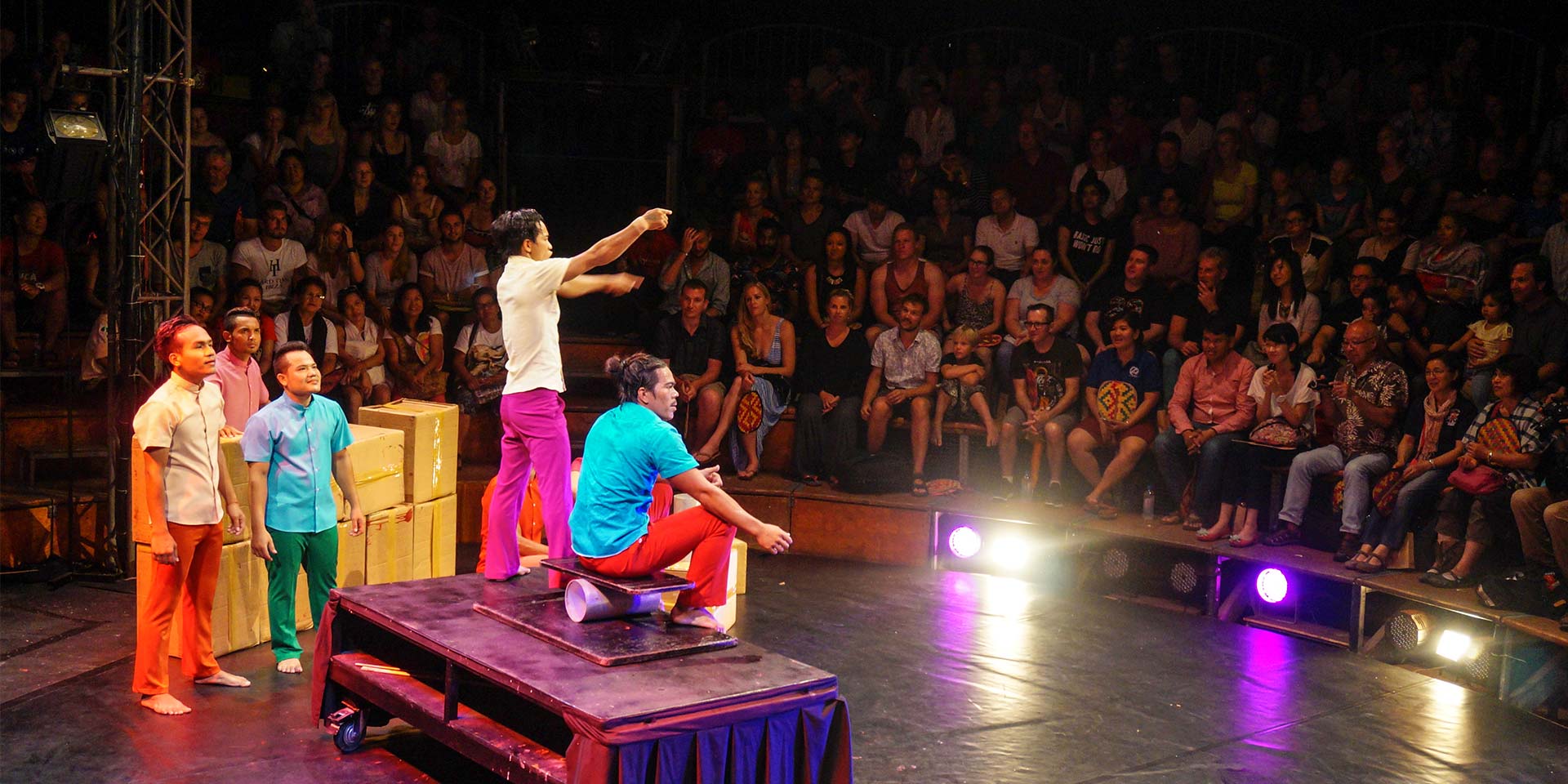
Phare, The Cambodian Circus
Phare, The Cambodian Circus is a world-renowned performing arts show in Siem Reap, blending traditional and modern theater, music, dance, and acrobatics. Created by graduates of Phare Ponleu Selpak, a non-profit arts school, the circus tells uniquely Cambodian stories through energetic performances and stunning visual artistry. It is a must-see for visitors seeking an authentic and entertaining cultural experience.

Little Red Fox Espresso
A cozy cafe known for its excellent coffee, creative drinks, and friendly atmosphere. Little Red Fox Espresso is a favorite among locals and tourists alike, offering a range of espresso-based beverages and locally sourced teas.

The Hive Cafe
A trendy cafe offering a variety of coffee, smoothies, and healthy food options. The Hive Cafe is popular for its relaxed vibe and focus on sustainability, making it a great spot for brunch or a quick coffee break.

Footprint Cafes
A socially responsible cafe that reinvests profits into local community projects. Footprint Cafes offers delicious coffee, international cuisine, and a welcoming space for travelers and locals to connect.

Sister Srey Cafe
A charming cafe with a mission to support local youth through employment and training. Sister Srey Cafe serves excellent coffee, healthy meals, and offers a cozy atmosphere overlooking the river.

Fame Cafe Riverside
A popular riverside cafe known for its vibrant atmosphere and delicious menu. Fame Cafe Riverside offers a variety of coffee, smoothies, and local dishes, making it a great spot to relax and enjoy the view of the river.

Fame Cafe Koh Ke
A charming riverside cafe offering a relaxing atmosphere and a diverse menu. Fame Cafe Koh Ke is known for its excellent coffee, smoothies, and local dishes, making it a perfect spot to unwind after exploring the nearby attractions.

Fame Cafe Taphul
A cozy cafe located in the heart of Siem Reap, offering a variety of coffee, smoothies, and local dishes. Fame Cafe Taphul is known for its friendly service and comfortable atmosphere, making it a great place to relax after exploring the nearby attractions.
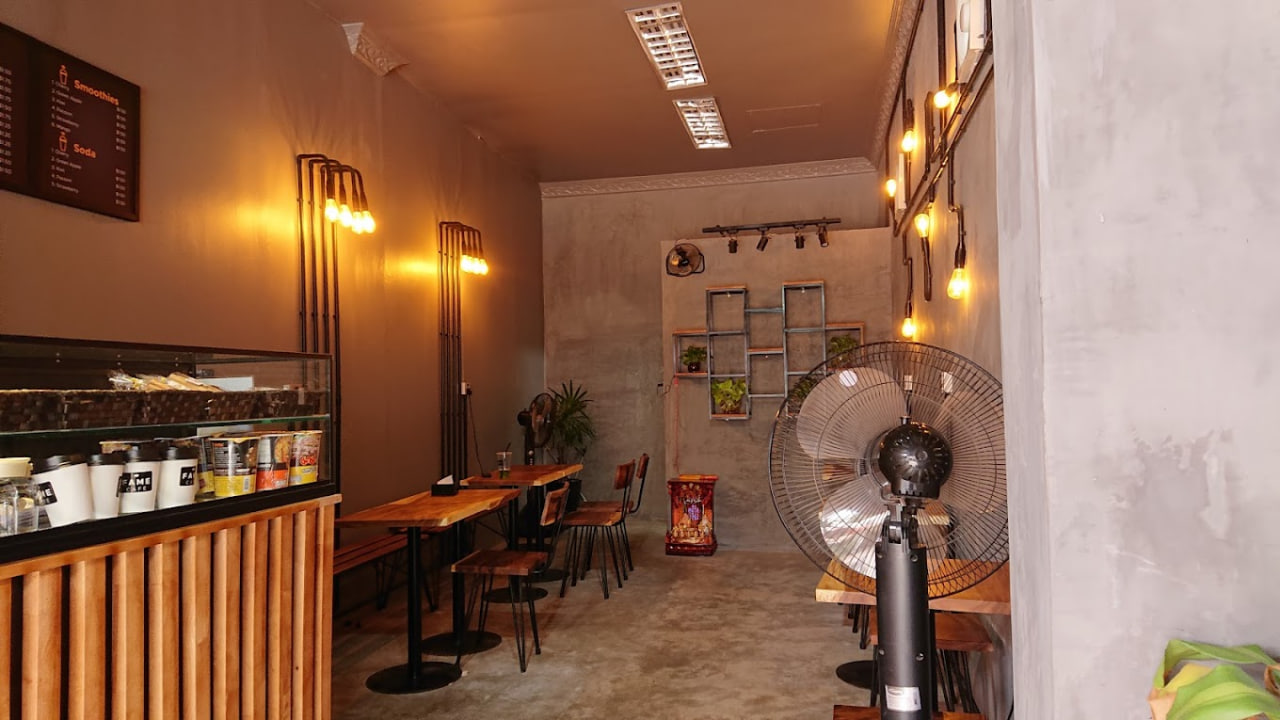
Fame Café Phsar Ngea
A cozy cafe located near Phsar Ngea, offering a variety of coffee, smoothies, and local dishes. Fame Café Phsar Ngea is known for its friendly service and comfortable atmosphere, making it a great place to relax after exploring the nearby attractions.

Fame Cafe Wat Bo
A charming riverside cafe offering a relaxing atmosphere and a diverse menu. Fame Cafe Wat Bo is known for its excellent coffee, smoothies, and local dishes, making it a perfect spot to unwind after exploring the nearby attractions.
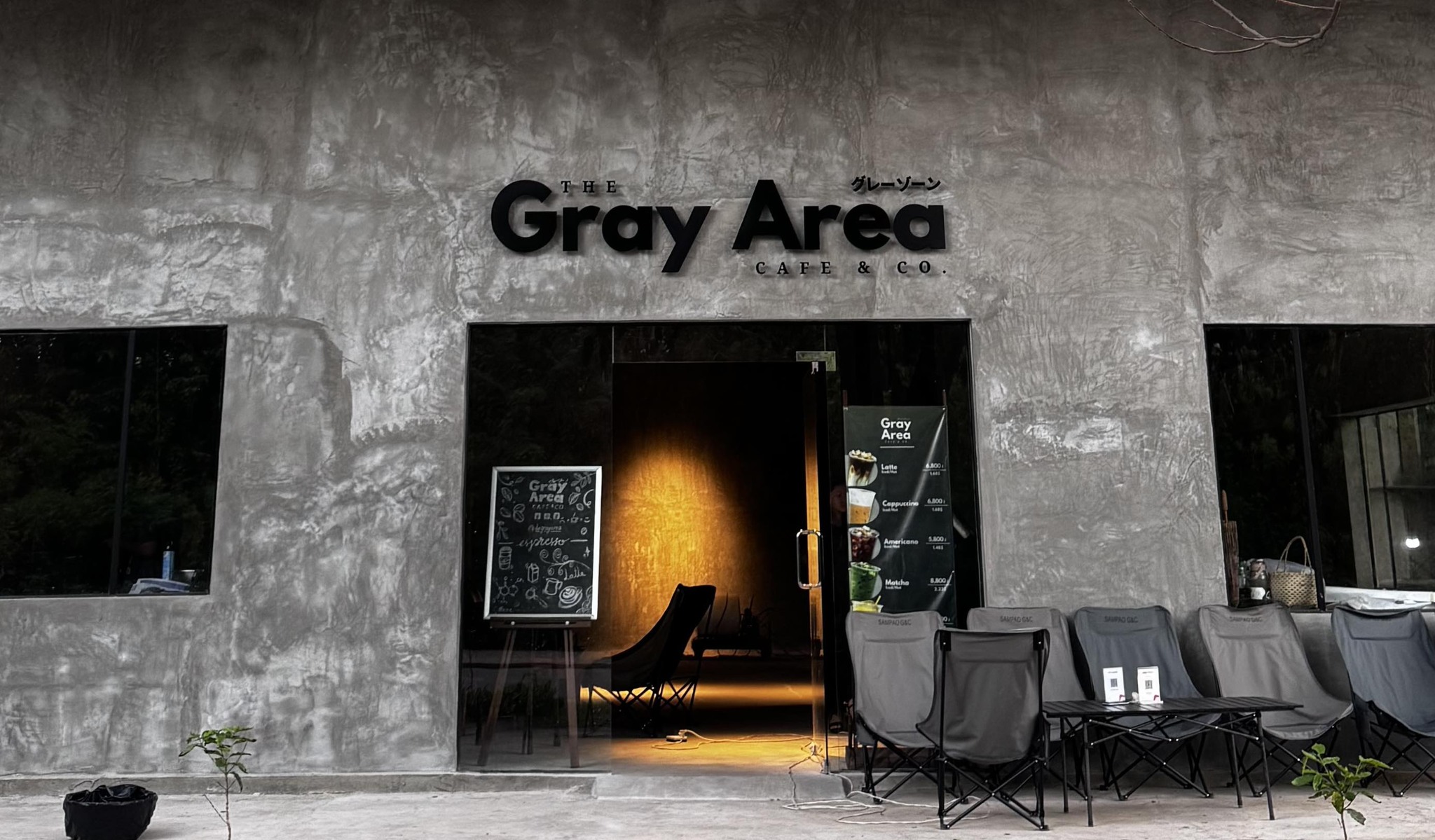
The Gray Area
A unique cafe that combines a coffee shop with a creative space for artists and musicians. The Gray Area offers a variety of specialty coffees, smoothies, and light bites, making it a great place to relax and enjoy the local art scene.